
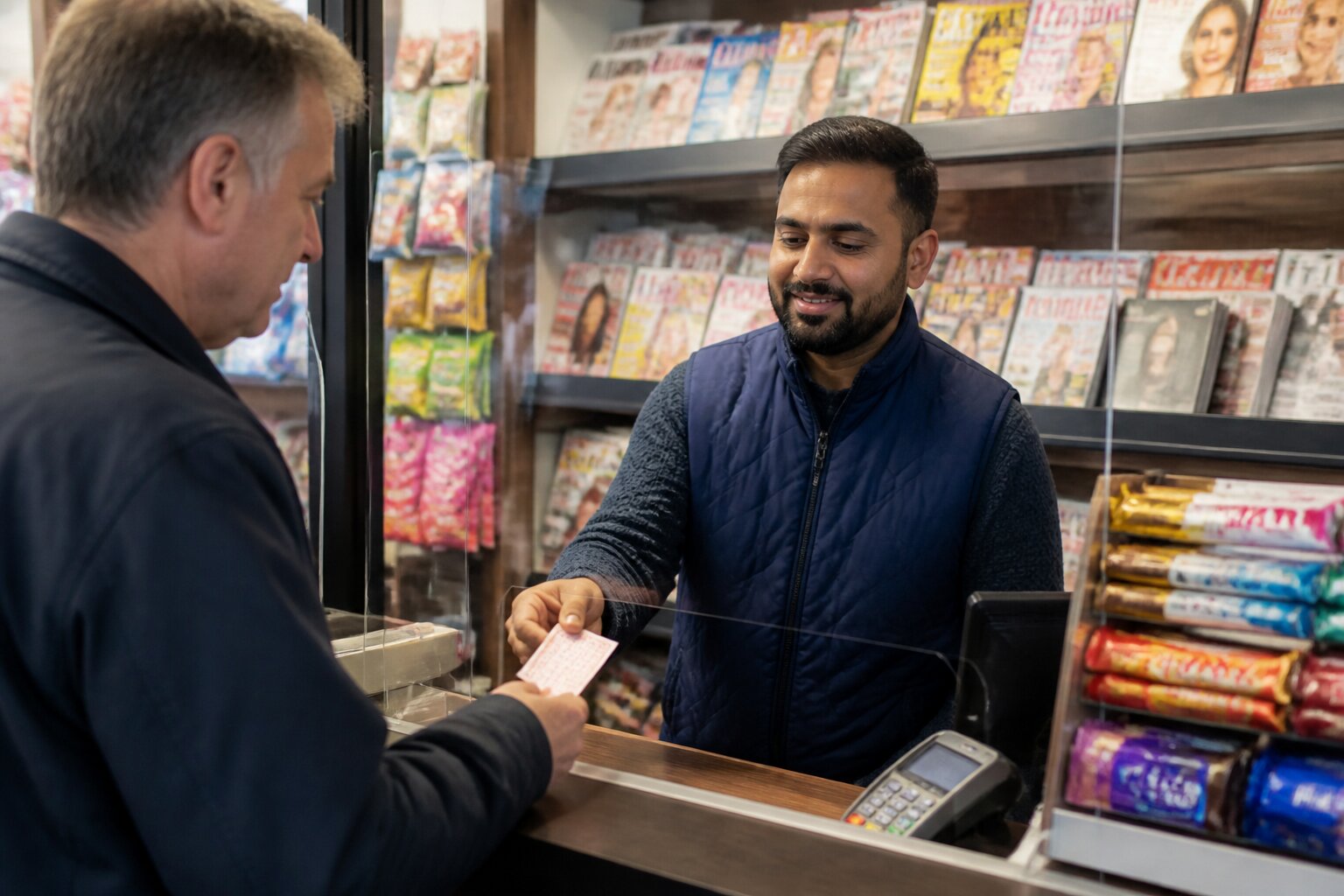
Ever wondered if you can still pick up a lottery ticket at your local shop? With more services moving online, it is natural to ask whether the traditional paper ticket still fits into modern life. Buying a ticket in person remains a familiar option for many people across the UK, and there are clear rules about how and where it can be done.
This guide explains where you can buy tickets now, what checks you should expect, how payments work and how technology has changed the process. Read on to be sure you know your options.
Where Can You Buy Lottery Tickets in the UK?
Buying a physical lottery ticket in person is still widely available. Retail sales must take place through authorised, regulated outlets so that purchases are safe and compliant with law. The same legal age limit applies whether a ticket is bought in a shop or online.
Most towns and villages have at least one location that sells tickets, and the rules for those retailers are consistent: sellers must be licensed and follow statutory checks. This makes it straightforward to buy a ticket while you are out, and it also means you can expect a similar level of protection at any approved outlet. If you prefer to stick to paper, the next section describes the most common places you will find tickets.
High Street Shops and Supermarkets
Many high street shops and supermarkets sell lottery tickets at tills or kiosks. These outlets form a convenient option for people doing routine shopping and are subject to the same licensing and oversight as other authorised retailers. Retail staff are trained to handle sales and small prize payouts, and larger prizes are handled through the official claims process.
Convenience Stores and Newsagents
Local convenience stores and newsagents are often the most accessible places to buy tickets. Independent and chain shops that hold the appropriate licence provide a quick, local point of sale. These retailers usually operate the Challenge 25 policy, so you may be asked for ID if you look under 25.
Petrol Stations and Service Areas
Petrol stations and service areas are common points of sale, especially for people on the move. They sell the same range of draw tickets and instant-win cards as other authorised retailers and must follow the same age verification and record-keeping requirements.
All these physical outlets must meet regulatory standards set by the UK Gambling Commission, ensuring consistent oversight whether you buy a ticket in a city centre or a rural village. The next section looks at digital alternatives for anyone who prefers to manage entries online.
Alternatives to Physical Lottery Ticket Purchase
In addition to traditional shops, there are digital routes for buying and managing lottery entries. These channels offer convenience while operating under the same legal framework, with identity checks and secure payments required before anyone can play.
Online platforms allow people to buy entries for draws and play instant-win games from a computer. Accounts are subject to age and identity verification and include measures to protect personal and financial information. Mobile apps provide similar access with the addition of notifications and account controls that can make it easier to keep track of activity. These options are strictly regulated and are designed to sit alongside physical retail, not to replace it.
If you buy digitally, the section on payments explains which methods are accepted and why certain options are restricted.
Online Lottery Platforms
Official lottery websites let players purchase tickets, manage entries and view results. Registration is required and includes checks to confirm age and identity. These platforms are set up to keep personal data secure and to make sure transactions are properly authorised.
Mobile Lottery Apps
Mobile apps bring the same features into a pocket-sized format. They typically include security features such as two-factor authentication and allow players to see results and account activity quickly. Apps also make it straightforward to receive notifications about draws and any winnings credited to an account.
Is ID Required to Buy a Lottery Ticket?
Yes. The law requires that anyone who appears to be under 25 is asked to provide proof of age before purchasing a ticket. Acceptable forms of identification include a driving licence, passport or other official photo ID showing date of birth. Retailers must refuse a sale if a buyer cannot demonstrate they are at least 18.
These checks apply in shops and online. Digital platforms use electronic age verification during account registration, while retailers apply Challenge 25 at the point of sale. The aim of these requirements is to ensure lawful access and to protect younger people from participation.
If you want to know how winnings are handled once a ticket has been bought, the following section explains the differences between claiming from a shop and an online account.
What Age Do You Have to Be to Buy a Lottery Ticket?
The minimum age to participate in the lottery is 18 in the UK. This limit applies across all draw-based games and instant-win products, whether tickets are bought in person at a retailer or via a digital channel such as a website or app. Licensed sellers and operators must enforce this rule at the point of sale and are subject to regulatory inspection to ensure underage play does not occur.
Operators use identity verification checks online and retailers may ask for proof of age in person to confirm a buyer is 18 or over. Failure to comply can lead to penalties for the seller or operator, including fines or licence review, reflecting the importance placed on preventing underage gambling. Age limits are a legal safeguard designed to reduce harm, and enforcing them is an essential part of responsible operation by both retailers and operators.
Can You Pay for Lottery Tickets with Cash or Card?
In physical shops, both cash and debit card payments are commonly accepted, though the exact methods can vary by retailer. Some stores also accept contactless payments and mobile wallet options, while others may prefer cash for small-value transactions. Retailers may apply their own limits or ask for additional verification, so it is sensible to check with the shop before you try to pay.
For online purchases and mobile apps, debit cards and certain pre-paid payment methods are typically supported. Pre-paid cards and vouchers can offer a way to control spending by limiting the amount available to spend online. Credit cards are not permitted for lottery purchases online, reflecting regulatory guidance intended to limit higher-risk spending and help people avoid building credit-related gambling debt.
Choosing a payment method that aligns with personal budgeting helps keep play manageable. Digital accounts and apps usually show transaction history and balances, which can make it easier to monitor spending and stick to limits. Where available, set deposit or spending limits and use tools provided by the operator to support safer play.
Are There Any Restrictions on Where You Can Buy Lottery Tickets?
Tickets must be bought through authorised sellers or regulated digital platforms. Authorised sellers include retail outlets that hold the appropriate licence and official online services operated by licensed providers. Unlicensed sales are illegal and may not provide the consumer protections, dispute resolution or secure payment processing that come with regulated operators.
For online purchases, geographical checks are carried out to ensure that buyers are within the UK and meet the legal age requirement. These checks can include verifying the location of the device, the billing address of the payment card and identity verification as part of account registration.
These location and licensing restrictions help protect purchasers from fraud and ensure responsible gambling safeguards are in place. They also protect the integrity of the lottery system by ensuring prizes are paid by legitimate operators and that games are run fairly.
The next section explains how claiming prizes differs depending on where you bought your ticket.
Claiming Lottery Prizes: Shop vs Online
How a prize is claimed depends on where the ticket was purchased. Small prizes bought in-store are generally paid out by the retailer at the point of sale. For larger amounts, the retailer will direct the winner to the official claims route so identity and ownership can be verified securely. Keeping a paper ticket safe is important because it is the bearer instrument for any claim.
When a ticket is bought through an online account, smaller prizes are normally credited to that account automatically. For larger prizes, the operator opens a claims process that includes identity checks and may involve direct contact to arrange payment. In both retail and online cases, the verification steps exist to prevent fraud and to make sure the correct person receives any payout.
With claims explained, it is useful to consider how technology has reshaped the way tickets are bought and managed.
How Has Technology Changed Lottery Ticket Buying?
Technology has broadened how people participate in the lottery without removing the traditional shop option. Digital platforms provide convenient account management, notifications and secure payment processes, while retail sales continue to serve many players who prefer a paper ticket.
Digital services bring features such as automated result notifications, account histories and security tools like two-factor authentication. Payment systems have evolved too, offering a range of compliant methods that help prevent impulsive or unaffordable spending. At the same time, retail sales retain their place for those who value an in-person transaction. Together, these channels give people a choice in how they play and how they manage any winnings, under consistent regulatory protections.
If you want to buy a ticket, choose the method that best fits how you manage money and personal information; either route must follow the same legal safeguards to keep participation legitimate and secure.
**The information provided in this blog is intended for educational purposes and should not be construed as betting advice or a guarantee of success. Always gamble responsibly.