
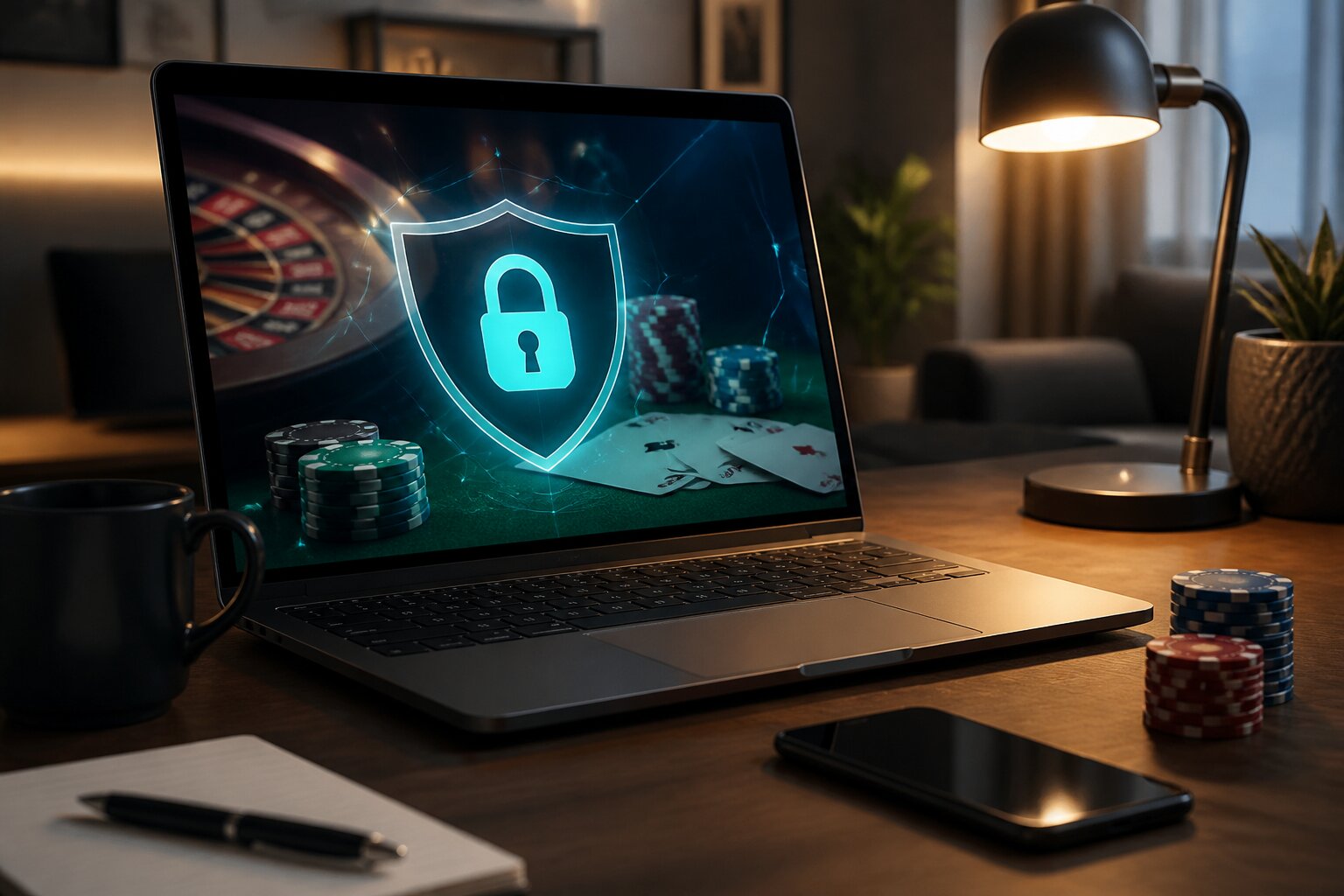
Thinking of using an online casino but not sure if your money and data are safe? You’re in the right place—security is one of the main concerns for anyone who plays casino games online.
Technology and regulation both shape how sites protect players, from keeping personal details private to making sure games are fair. This article explains the key safeguards, common risks to watch for, and practical steps you can take to protect yourself.
Read on for a clear, practical guide to online casino safety that helps you make informed choices without jargon.
What Security Measures Do Online Casinos Use?
Reputable casinos implement several layers of protection to keep accounts and transactions secure. One foundational measure is encryption. Secure websites use recognised protocols such as SSL or TLS to scramble data sent between your device and the casino’s servers. That means card numbers, passwords and personal details are converted into a code that only the casino’s systems can read.
Another important element is verifying who you are. Identity checks require documents like a passport or utility bill so that operators can confirm age and identity before processing withdrawals. This helps prevent fraud and ensures only eligible players can access accounts. Many sites also offer two-factor authentication, which adds a second confirmation step using a phone or email.
Fairness is maintained through certified testing and Random Number Generators. Independent test houses regularly audit games to ensure outcomes are produced by RNGs that behave as intended. These audits check that software isn’t altered to favour the operator and that payout percentages match published figures. Together, encryption, verification and independent testing form the technical backbone of a secure casino environment.
If you want to know how those technical checks tie into regulatory oversight, the next section explains what licences mean for players.
Can You Trust Gambling Licences and Regulators?
Licensing brings accountability. A recognised regulator establishes rules that operators must follow on player safety, financial handling and game fairness. Licensed operators are subject to regular inspections and must demonstrate appropriate security measures are in place before a licence is granted.
A licence also requires clear procedures for player complaints and dispute resolution. Should a problem arise, the regulator can investigate and, in serious cases, suspend or remove an operator’s permission to trade. For players this means an additional layer of protection beyond the site itself.
While a licence does not guarantee perfection, it does indicate the operator is overseen and must meet ongoing standards. The next section looks at how casinos handle money in practice and which payment methods offer better protection.
Recognising Safe Payment Methods for UK Players
Safe payment methods are those that channel funds through established, regulated systems and offer some consumer protections. Typical options include debit cards, bank transfers and reputable e-wallets. These services use secure processing and usually support dispute mechanisms, making them preferable to obscure or unverified payment options.
Identity checks are tied to payments: operators confirm who you are before allowing withdrawals, which helps prevent unauthorised access to funds. Transaction monitoring picks up unusual activity so casinos can investigate and act if necessary.
Look for clear deposit and withdrawal policies, and prefer methods that support authentication or buyer protection. That way your money moves through recognised systems and you have recourse if a transaction goes wrong. Next, we cover the warning signs that suggest a site might not be trustworthy.
How to Spot Red Flags and Avoid Unsafe Casino Sites
There are practical clues that a site may be unsafe. Missing or vague regulatory information, unclear terms and conditions, slow or withheld payments, and pressure to make more deposits are all cause for concern. Likewise, sites that do not publish independent testing results or provide no verifiable contact details should be treated with caution.
Phishing attempts can look like legitimate communications but ask for passwords or banking details outside the secure site. Always use the casino’s own secure pages for uploads and never share sensitive information via email or third-party links.
Trustworthy sites are transparent about testing, publish their licence status, and make it straightforward to contact customer support. If these elements are absent, it’s safer to look elsewhere. Having covered what to watch for, the next section outlines the common scams that put players at risk.
What Are the Most Common Online Casino Scams?
Scams take several forms, from fake sites claiming false accreditation to bonus offers with hidden conditions designed to prevent withdrawals. Some operators create opaque terms that make it difficult to claim winnings, while phishing sites mimic genuine brands to harvest credentials or financial information.
Other scams involve rigged payment pages or withdrawal delays intended to frustrate players into abandoning claims. A common red flag is a website that presents glowing claims but provides no verifiable licence number or independent test results.
Avoiding these pitfalls means checking licence details, reading terms carefully, and using established payment methods. With those basics covered, it helps to know what rights and protections you have as a player in the UK.
Your Rights and Protection as an Online Gambler in the UK
Players in the UK benefit from regulatory requirements that set standards for fairness, security and dispute handling. Licensed operators must keep clear records, maintain segregated customer funds where required, and provide accessible complaint procedures. If you have a dispute you cannot resolve directly, independent resolution services may be available.
Privacy rules require casinos to explain how personal data is used and to implement safeguards against unauthorised access. Operators are also expected to provide tools that let players manage their activity and account settings.
Knowing these rights makes it easier to challenge unfair treatment and to choose operators that meet regulatory expectations. The following section suggests practical steps you can take to bolster your own account security.
Tips for Enhancing Your Own Online Gambling Safety
Protecting yourself starts with simple, effective habits. Choose operators with verifiable licences and a secure website address displayed with an https prefix and padlock icon. Use strong, unique passwords and enable any offered additional authentication for your account.
Keep account information private and submit verification documents only through the casino’s secure system. Review account activity and payment history regularly so you can spot anything unusual early. If a site’s policies or contact details are hard to find, consider it a warning sign and move to a different operator.
Make use of the site’s control tools to set deposit or session limits if you wish. These features are part of the broader protection framework and help keep your activity within preferred boundaries. With secure habits in place, you can feel more confident that your interactions with online casinos are protected.
**The information provided in this blog is intended for educational purposes and should not be construed as betting advice or a guarantee of success. Always gamble responsibly.