
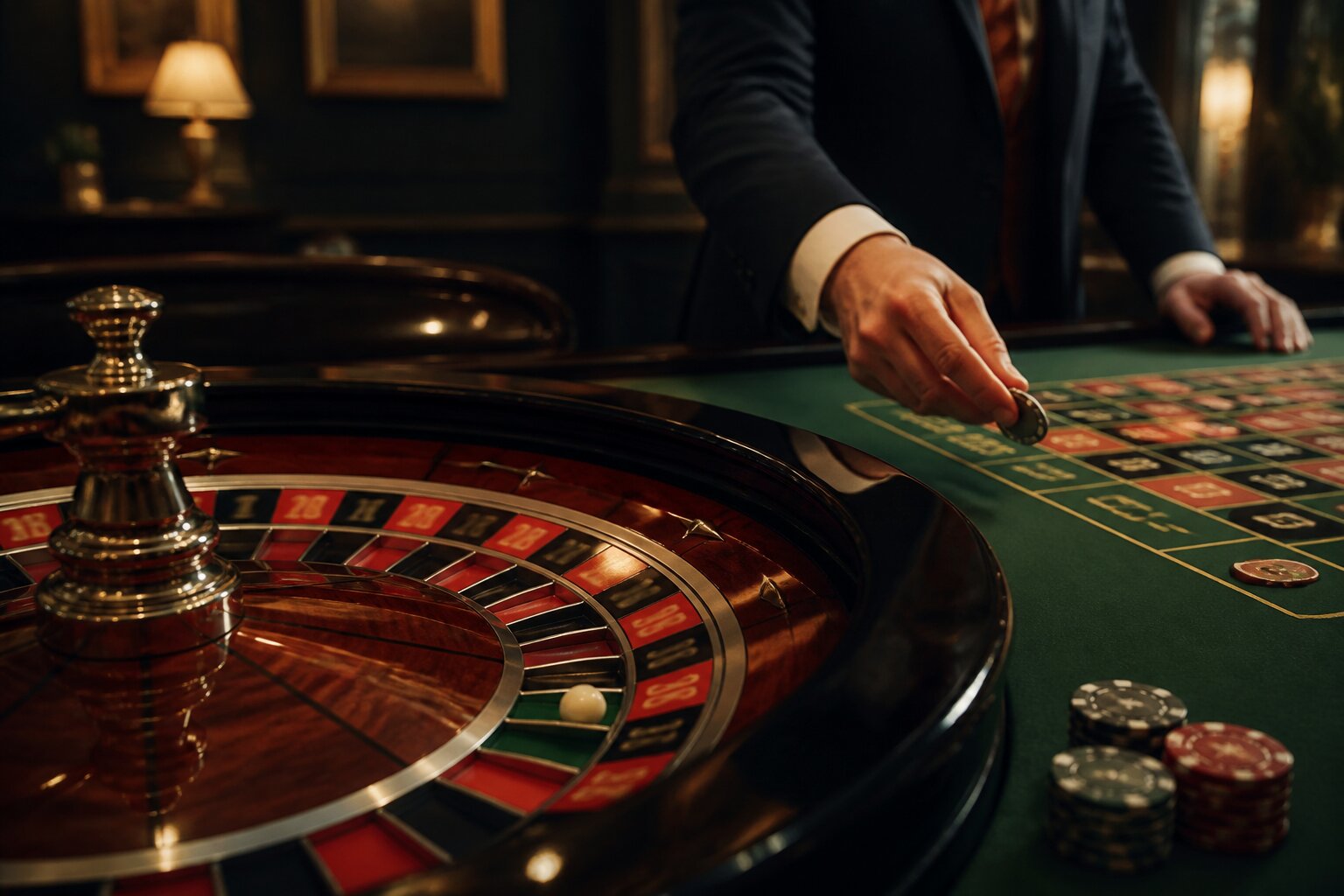
Ever noticed how the green zero pocket gets a lot of attention at the roulette table? For many players it represents a distinctive option: a single-number bet with a high payout that behaves differently in European and American wheels. Understanding what that difference means, and what betting on zero actually involves, will help you decide if and when to include it in your play.
This article explains how a zero bet works, compares the odds and house edge across wheel types, clears up common misconceptions, and offers practical tips to consider before placing chips on zero. Read on to get a clear picture of the mechanics and implications of betting on zero so you can make an informed choice at the table.
How Does Betting on Zero Work in Roulette?
A straight bet on zero simply means placing your chips on the green 0 space on the roulette table. In the version of the game with only one green pocket, that 0 is the sole single zero. In the version with two green pockets, a single zero shares the wheel with a double zero.
Each spin yields one outcome. If the ball lands in the zero pocket and you have a straight bet there, you receive the straight‑bet payout. If it does not, the straight bet loses. That is the basic structure of a bet on zero; the rest of the differences between wheel types come down to how many pockets there are and how that affects your odds and the house edge.
What Are the Odds of Zero in Roulette?
The probability of zero depends on how many pockets are on the wheel. On a wheel with one zero there are 37 pockets in total, so the chance of any single number, including zero, coming up is 1 in 37, or about 2.70%.
On a wheel with both single and double zero there are 38 pockets, so each single pocket has a probability of 1 in 38, which is about 2.63%.
These two common wheel types can be summarised as:
- European roulette: one zero, 37 pockets, probability for zero 1/37 (approximately 2.70%).
- American roulette: single and double zero, 38 pockets, probability for a single zero 1/38 (approximately 2.63%).
These percentages are a simple reflection of the wheel’s structure and the number of pockets. Each spin is an independent event governed by that layout, so the mathematical probability for zero remains the same regardless of previous spins.
Because spins do not influence one another, past results do not change the chance of zero on the next spin. Believing otherwise is a misunderstanding of probability often called the gambler’s fallacy.
Understanding the House Edge on Zero Bets
The house edge represents the long-term advantage built into the game’s rules and payouts. On a wheel with one zero, that edge is about 2.7%. With both a single and a double zero, the edge increases to roughly 5.26%.
That difference occurs because the number of pockets increases while the straight-bet payout remains the same, so the expected return to players drops when the double zero is present. No betting pattern alters that built-in edge; it is a mathematical consequence of how many pockets the wheel has and how bets are paid.
Knowing the house edge helps set realistic expectations about how different roulette wheels compare over time, which is useful when choosing which version to play or which bets to make within a session.
Differences Between European and American Roulette Zero Bets
The most important practical difference between the two common wheel types is the number of green pockets. The single-zero wheel offers slightly better odds for straight-number bets than the double-zero version, because there are fewer pockets overall.
That difference affects single-number bets such as a straight bet on zero, but it also filters through to broader strategy considerations. For example, the smaller house edge on the single-zero wheel means players will see a slower erosion of their stake over many spins compared with the double-zero wheel. This is why many players favour the single-zero variant when the choice is available.
Now that you understand the structural difference between wheels, the next section addresses a set of widely held misconceptions that can influence betting behaviour.
Common Myths About Betting on Zero
Several misconceptions persist about the behaviour of numbers on the roulette wheel. One frequent belief is that if zero has not appeared for a while, it is more likely to appear soon. This is a misunderstanding of independent outcomes. Each spin produces a result that does not change the underlying probabilities for the next spin.
Another myth is that certain patterns or past sequences can be used to forecast future outcomes. While it is possible to record and review past results, doing so does not change the mathematical chance of any particular number coming up on a subsequent spin. Treat observations of streaks or clusters as curiosities rather than as reliable guides to future play.
With those clarifications in place, consider how that knowledge should influence your decisions about including zero in your bet mix.
Is Zero More Likely to Hit After a Losing Streak?
Beliefs about “due” numbers often arise after a run of spins that do not include zero. But the probability tied to the wheel’s layout remains unchanged from one spin to the next. Past sequences of results do not alter the distribution of possible outcomes on subsequent spins.
Because each spin is independent, choosing to increase or change bets based on recent results does not improve expected returns. Decisions about staking should therefore be based on one’s budget and objectives for a session, rather than on the expectation that a specific number is now more likely to appear.
This fact connects directly to practical considerations about how to approach betting on zero, which follow next.
Tips for Deciding Whether to Bet on Zero
Deciding whether to include a straight bet on zero is a matter of preference, bankroll management, and how you want the session to feel. A straight bet pays 35 to 1, so a successful single-number wager yields a substantial return from a small stake. That payout profile can be attractive for those who prefer occasional high-payout outcomes rather than more frequent, smaller wins.
Before placing any bet, consider how much of your total session budget you want allocated to straight-number wagers, including zero. Spreading a budget across different bet types will produce different patterns of wins and losses; a portfolio with several small even-money bets behaves differently from one concentrated in single-number stakes.
Also be aware of rule variations that affect outcomes. Some tables have specific rules that apply when zero lands during certain even-money bets, which can alter the practical implications of how you combine straight-number and outside bets.
If at any point the game stops feeling controlled or enjoyable, take that as a signal to pause and reassess your approach.
Does Betting on Zero Affect Your Overall Roulette Payouts?
Placing a straight bet on zero does not change the underlying odds or the game’s expected return. The payout for a winning straight bet is set at 35 to 1 regardless of how many times you include zero in your bet mix. Over many spins, the house edge determines expected returns, and that is unaffected by focusing on any particular number.
What does change when you include zero is the distribution of possible short-term outcomes. A session that includes more single-number bets will tend to have larger individual wins when they occur, but also more frequent small losses between those wins. Understanding this trade-off helps you align betting choices with how you want the session to unfold.
With those consequences in mind, the final section answers common practical questions about betting on zero.
Frequently Asked Questions About Zero in Roulette
Below are concise answers to common questions players ask about zero. These explain typical payouts, probabilities, and how zero interacts with other bets and table rules.
How much do you win if zero comes up?
A straight bet on zero pays 35 to 1. For example, a £2 straight bet returns £70 in winnings plus the original £2 stake when it wins.
Is zero more likely to come up than other numbers?
No. Each number occupies one pocket on the wheel, and the probability of any specific pocket being the outcome in a single-spin event is determined by the total number of pockets.
Can I bet on both zero and other numbers at the same time?
Yes. Players commonly place chips on a combination of straight-number and outside bets in the same spin. Just ensure your overall staking fits within your session plan.
Are there any special rules for zero in roulette?
Some game variants include rules that affect bets when zero appears on certain even-money wagers. It is helpful to check the table rules before play so you understand any such provisions.
Should I always include zero in my bets?
Including zero is a personal choice informed by how you prefer to structure risk and reward in a session. It offers a high payout for a single-number win, but it does not change the game’s expected return. Use it when it fits your stakes and goals.
If you want to try different approaches, consider mixing straight bets with other bet types and observing how that changes the flow of wins and losses. Whatever you choose, keep your play within limits that suit you.
**The information provided in this blog is intended for educational purposes and should not be construed as betting advice or a guarantee of success. Always gamble responsibly.