

Are you an avid slot player? Or perhaps you're a newcomer to the world of slot machines, eager to understand their mechanics. Either way, you may have pondered questions like "If a slot machine hits, will it hit again?" or "Can you tell when a slot machine is going to hit?"
In this article, we explore the world of slot machines, debunk popular myths and misconceptions, and reveal the truth behind these games of chance.
If a Slot Machine Hits Will It Hit Again?
Many people believe that if a slot machine hits once, it is more likely to hit again soon. However, this idea is nothing but a myth.
Every spin on a slot machine is independent and controlled by a Random Number Generator (RNG). The RNG produces millions of number sequences every second, so outcomes are effectively unpredictable.
That means whether a machine has just paid out a jackpot or has not given a win for days, each new spin has the same chance of producing a winning combination.
Will a Slot Machine Hit Twice in a Row?
Yes, a slot machine can hit twice in a row, but the chance of that happening is extremely small. A random number generator (RNG) determines each spin's outcome, producing independent results every time.
Because each spin is independent, a previous win does not make a subsequent win more or less likely. The RNG creates a huge number of possible outcomes, so while consecutive wins are possible, their probability is very low.
How Many Times Will a Slot Machine Hit the Jackpot?
Determining how often a slot machine will hit the jackpot is complex. Several factors influence the frequency of jackpot wins, including the slot's Return to Player (RTP), its volatility, and the size of the jackpot.
RTP is a theoretical percentage that indicates how much a player may win back over a long period. Jackpot slots typically have lower RTP rates, which means wins may occur less frequently but can be larger when they do.
High-volatility slots tend to pay out less often but can deliver larger wins, while low-volatility slots usually offer smaller, more frequent wins.
The size of the jackpot also affects how often it is won. Slots with smaller jackpots generally have lower volatility and may pay out more frequently than games with very large jackpots.
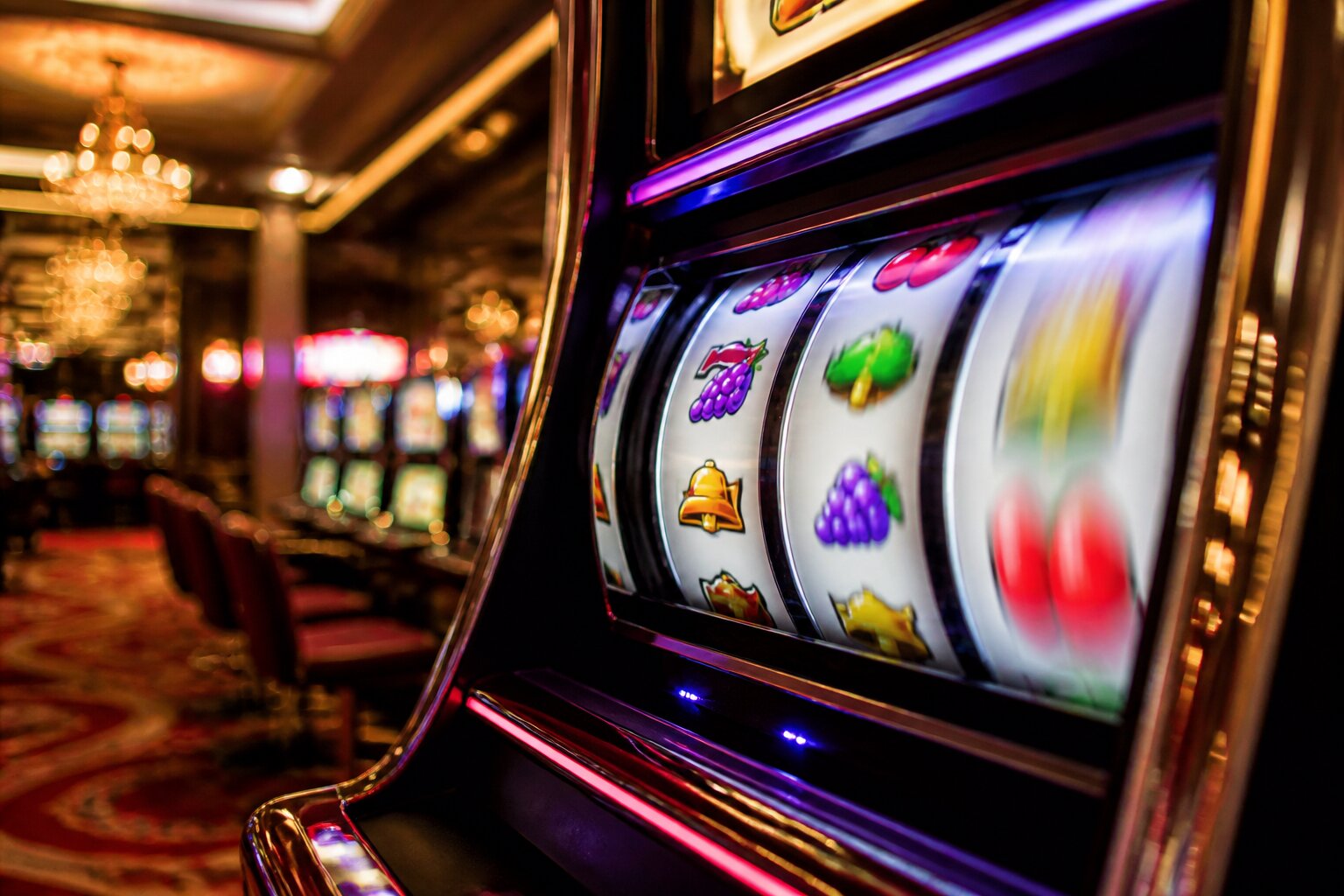
Can You Tell if a Slot Machine Is Going to Hit?
As much as we'd like to know when a slot machine is about to hit, there is no reliable way to predict it.
All outcomes on a slot machine are determined randomly by a random number generator (RNG). Various myths and misconceptions about signs of an imminent jackpot have no basis in fact.
Beliefs such as reels wiggling indicating a big win soon, or a machine full of coins being due to pay out, are simply fallacies. Each spin is entirely random and independent, so previous results do not affect future outcomes.
Is It Better to Stay on the Same Slot Machine or Move Around?
Whether you stay on the same slot machine or move around comes down to personal preference. Sticking with one machine does not change your odds, and neither does switching to a different machine.
Some players move on after a win because they want to try something new, because they feel bored with the current game, or because they have reached their set budget. These are valid reasons, but they do not affect the machine's randomness.
Each spin is independent, driven by a random number generator (RNG). If a big payout were to occur, it does not mean the machine will stop paying out, and a dry spell does not mean a win is due.
**The information provided in this blog is intended for educational purposes and should not be construed as betting advice or a guarantee of success. Always gamble responsibly.