
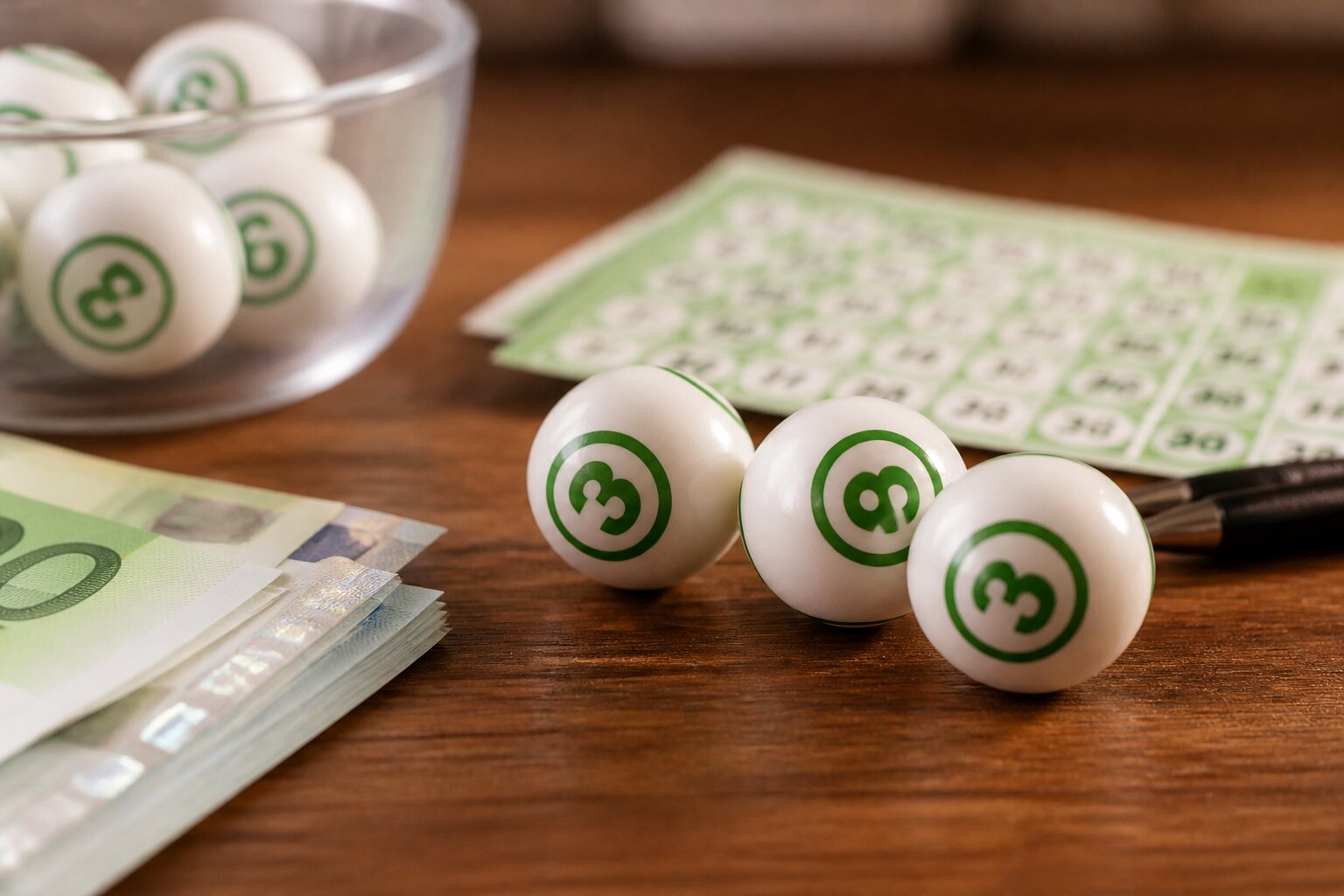
Ever found yourself clutching a ticket, heart racing, as you check the latest Irish Lottery results? That moment when you spot three matching numbers makes you wonder what it actually pays.
Many people in the UK try the Irish Lottery because its odds of picking up a prize are generally better than some other draws. Matching three numbers is not a jackpot, but it is a realistic outcome that commonly returns a modest cash prize and keeps the game interesting.
This article explains how the Irish Lottery prize tiers work, what three-number wins typically pay, how payouts are calculated, and how those amounts compare with higher tiers. Read on to get a clear sense of what a three-number result means for your ticket and your pocket.
Understanding Irish Lottery Prize Tiers
The Irish Lottery uses a tiered system based on how many of the main numbers on your ticket match those drawn. Each tier has its own prize or share of a prize fund, so the amount you receive depends on where your line sits in that ladder.
The main tiers are:
- Match 6 numbers: the jackpot, often worth several million pounds depending on rollovers and sales.
- Match 5 + Bonus: a large secondary prize, sometimes tens or hundreds of thousands.
- Match 5 numbers: mid-range sums that commonly sit in the low thousands.
- Match 4 numbers: a smaller fixed prize generally in the low hundreds.
- Match 3 numbers: the most common cash prize for many players, typically a small fixed sum.
- Match 2 numbers: usually results in a non-cash reward in some games, such as a free entry or scratchcard.
These tiers set expectations for the scale of any win. Understanding that structure helps when comparing what three matching numbers pay versus moving up to four, five or all six numbers. In the next section we'll look at how the prize for three numbers is actually calculated.
How Are Payouts Calculated for 3 Matching Numbers?
Payouts for the three-number tier are usually paid from a fixed prize allocation rather than from the jackpot pool. That means the operator sets a standard amount for this tier so players have a consistent idea of what to expect.
A portion of ticket sales is allocated across the prize tiers. Jackpot and top-tier prizes fluctuate with rollovers and how many winners there are, but three-number prizes are typically fixed to provide stability. If an unusually large number of players win the same tier, minor adjustments are possible, though they are uncommon.
For example, when the published prize for three numbers is £8, every qualifying ticket receives that fixed amount. Large promotional draws or very high sales can lead to temporary changes, so it is always sensible to check the official prize breakdown after a draw. This clarity makes it easier to compare typical three-number payouts with other tiers, which we explore next.
Typical Winnings for 3 Numbers on the Irish Lottery
Three-number wins are modest but frequent. In recent draws the amount most often paid has been around £8 per winning ticket. Occasionally the payout has sat just below or above that mark, for instance around £7 or £9 in specific weeks, but £8 is a useful benchmark.
Some supplementary draws such as Lotto Plus games use a different structure and may offer a lower three-number prize, often near £5 for those variants. The main draw, however, generally keeps the three-number prize steady. All amounts are confirmed in the official results after each draw, so checking that publication will give the definitive figure for any given week.
With a sense of typical three-number returns, it helps to see how those figures compare with prizes for matching four or five numbers, which is the focus of the next section.
Comparing Prizes for Matching 3, 4, or 5 Numbers
Prizes increase notably as you move up the tiers, reflecting the longer odds for each step. Typical amounts and odds look like this:
Matches
Typical Prize
Odds of Winning
3 numbers
£8
1 in 54
4 numbers
£150
1 in 918
5 numbers
£1,500–£5,000
1 in 44,740
The scale of rewards rises sharply from three to four numbers, and again from four to five. That growth in prize size mirrors the declining likelihood of each outcome. The next subsection explains how those larger prizes are handled when there are multiple winners.
How Do Payouts Change With More Matching Numbers?
Higher tiers are treated differently. Four-number prizes are commonly fixed, so each winner receives the advertised amount. Five-number prizes and above are more likely to be shared from a prize fund, so the final sum per person can vary depending on how many winners there are in that tier.
For example, a set prize pool for five numbers may be divided among all winners in that tier. If there are many winners, each person’s share falls; if there are few, each share is larger. This sharing principle explains why published ranges occur for the five-number tier rather than single fixed figures. Next, we’ll look more closely at how prize sharing works in practice.
What Happens If Multiple Players Win the Same Tier?
When a prize is fixed, every eligible ticket receives the same amount. When a prize is paid from a shared pool, the total money for that tier is divided among the winners. The result is straightforward: fixed tiers give certainty, shared tiers give variable payouts based on how many others win the same prize.
This system keeps smaller prizes predictable while allowing larger prize pools to be split fairly. Having covered how prizes and sharing work, the next section examines whether payouts differ between draws or variants.
Do Winnings Differ Between Draws or Lotto Variants?
Yes, the precise amount for a three-number win can vary by draw and by game variant. The main Irish Lotto draw typically keeps three-number payouts around the £8 mark, but occasional adjustments happen during high-sales events or promotions.
Supplementary games such as Lotto Plus 1 and Lotto Plus 2 run alongside the main draw and usually use their own prize tables. In those variants a three-number prize is often lower than the main game, commonly around £5. These variants exist to give extra chances to win, but they come with their own payout scales.
If you plan to compare draws or enter variants, the official post-draw prize breakdown for each game will show the exact sums. Understanding those differences helps set realistic expectations about what a three-number match delivers. To put the chance of winning that prize in context, the next section looks at the odds.
Irish Lottery Odds: What Are Your Chances of Matching 3 Numbers?
The odds of matching three numbers in the Irish Lottery are 1 in 54. That means a single line has a 1 in 54 probability of finishing with exactly three of the main numbers matched in a draw.
By comparison, matching four numbers stands at about 1 in 918, five numbers at about 1 in 44,740, and matching all six for the jackpot at roughly 1 in 10,737,573. Each outcome becomes successively less likely, which is why higher prizes are substantially larger.
All draws are random and independent, so every ticket has the same statistical chance in each draw. With those figures in mind, the final section wraps up what to expect when you land three matched numbers.
The Bottom Line: What to Expect When Matching 3 Numbers
Matching three numbers on the Irish Lottery is a common, small win that typically pays around £8 in the main draw and around £5 in many supplementary variants. The odds are 1 in 54, making it the most frequent cash prize for players.
Three-number wins are reliable in the sense that they are usually fixed payments, but the exact published amount should always be checked after a draw. Keep in mind that larger prizes use different sharing rules and therefore vary more between draws.
Treat lottery play as entertainment and not a source of income. Set a budget and stick to it, and enjoy any small wins as a pleasant bonus.
**The information provided in this blog is intended for educational purposes and should not be construed as betting advice or a guarantee of success. Always gamble responsibly.