
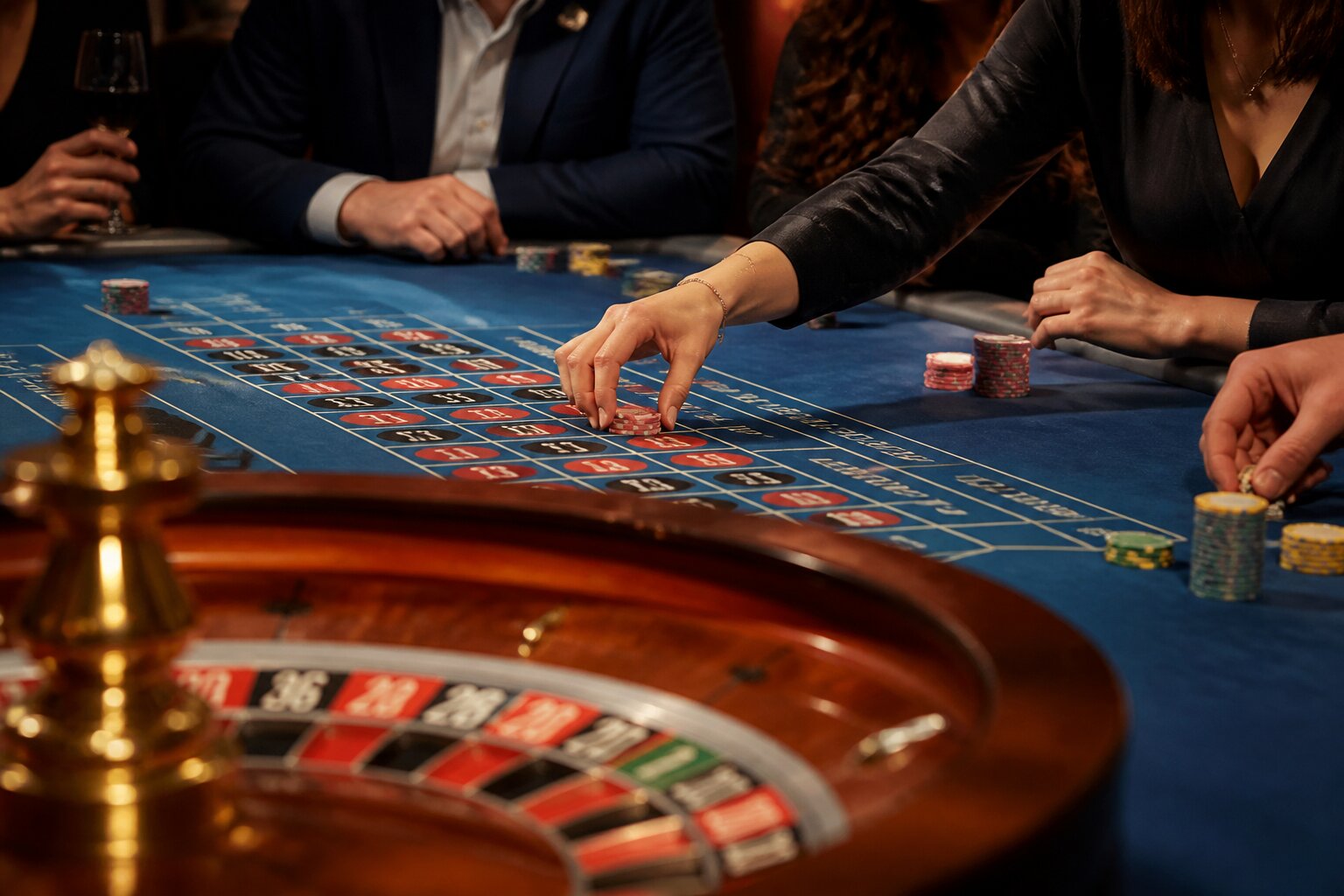
If you've ever watched a roulette game and heard someone call out "five and the neighbours," you might have wondered what they were doing. Neighbour bets add a distinctive layer to roulette by letting players back a number and the numbers beside it on the wheel, creating a different way to engage with the game.
This article explains how neighbour bets work, why players choose them, how they differ from standard bets, where to place them, and the common variations you’ll encounter. Each section leads into the next so you can follow the flow of the game and understand how these bets fit into the wider roulette experience.
What Are Neighbour Bets and How Do They Work?
Neighbour bets are wagers placed on a chosen number plus a set of adjacent numbers on the roulette wheel. Many tables, particularly those that offer a racetrack layout, display the numbers in the order they appear on the wheel, which makes it easy to select a main number and its neighbours.
A common option is the “one neighbour” bet, which covers the selected number and the two numbers immediately to each side, five numbers in total. For example, a neighbour bet on 17 with one neighbour would include 2, 25, 17, 34, and 6. Each covered number receives the same stake, and if the ball lands on any of them you receive the straight-up payout for that particular number; the other stakes are lost.
Understanding this coverage clarifies the cost and potential return of the bet. It also highlights the difference between betting on particular positions on the wheel versus picking numbers on the table layout. With that in mind, the next section looks at why this wheel‑based approach appeals to many players.
The Appeal of Neighbour Bets to Roulette Players
Neighbour bets appeal because they let players focus on the wheel’s physical layout rather than the rectangular betting grid. That gives a sense of pattern and purpose — players can target specific wheel sections or back a preferred number with the comfort of covering its immediate neighbours.
There’s also a social and aesthetic element: the racetrack layout and the act of calling a neighbour bet can feel more involved than dropping chips on the table. For players who favour certain numbers or wheel sections, neighbour bets provide a quick way to express that preference while still keeping stakes manageable, as each number in the selection carries the same individual wager.
Beyond personalisation, neighbour bets reduce the need to place multiple separate chips across the standard betting area, which streamlines play for those who want to cover a cluster of numbers at once. This combination of practicality and a fresh angle on the wheel is what keeps many players returning to neighbour options. Next, we’ll compare these bets directly with traditional table bets to highlight the practical differences.
Neighbour Bets vs. Traditional Roulette Bets: Key Differences
Traditional bets are placed on the rectangular betting grid and include inside bets such as straight-up, split and corner, and outside bets such as red/black or even/odd. These bets are chosen according to number, colour or pattern on the table and offer familiar payout structures.
Neighbour bets use the racetrack to group numbers by their actual order on the wheel, so the emphasis is on position rather than table arrangement. Mechanically, neighbour bets are effectively a collection of straight-up bets distributed around a central number, but they are selected and displayed in a way that reflects the wheel’s sequence.
Both styles share the same statistical fundamentals: the house edge is unchanged by the visual or procedural difference, and outcomes remain governed by the same probabilities. Appreciating this helps when choosing between a tidy, wheel-focused bet and the more conventional table-based options. Having seen how they differ, we’ll look next at the practical benefits that draw players to neighbour bets.
Why Choose Neighbour Bets? Exploring the Benefits
Neighbour bets offer practical benefits for players who want controlled coverage of the wheel. By selecting a main number and a set number of neighbours, players obtain an immediate cluster of straight-up bets without the need to place several individual chips across the table, which can be faster and neater during busy play.
They also enable subtle customisation. Players can vary how many neighbours they include depending on how much coverage they want and how much they wish to stake per number. This flexibility makes it simpler to experiment with different spreads while keeping the overall approach consistent.
Finally, the racetrack format can enrich the player experience by giving a different perspective on the wheel and encouraging slightly more strategic thinking about position-based coverage. With that in mind, the next section explains how these bets are placed in both physical and online settings.
How to Place Neighbour Bets in Online and Land-Based Casinos
Neighbour bets are available in both land-based venues and most online roulette games that offer a racetrack feature. Knowing the process helps make placing bets quicker and reduces confusion at the table or on-screen.
Placing Neighbour Bets at a Physical Roulette Table
At a bricks-and-mortar casino, tables that include a racetrack layout will allow neighbour bets to be made either by asking the dealer to place the bet or, at some tables, by placing chips on the racetrack yourself. When requesting the dealer’s help, simply name the main number and state how many neighbours to include on each side; the dealer will place the required chips in the racetrack area.
Procedures vary slightly between casinos, so asking the dealer for a brief clarification is a sensible step if you’re unfamiliar with their specific format.
Making Neighbour Bets in Online Roulette Games
Online tables typically present a racetrack bets graphic beside the main betting grid. Selecting a number on that racetrack and using the on-screen controls to set how many neighbours you want will place the identical set of straight-up bets automatically. Many sites include quick‑bet functions or one-click options for common neighbour configurations, which speeds up play for those who favour this style.
Always review the bet summary before confirming to ensure the stake per number and the total outlay match your intentions.
Common Variations of Neighbour Bets Explained
Several established racetrack bets cover fixed sections of the wheel and offer ready-made coverage without selecting a single main number. These variations use combinations of straight-up and split bets to match the wheel’s layout and are named according to traditional French terms.
Voisins du Zéro, meaning neighbours of zero, is the largest such bet and covers a wide arc of the wheel including zero; it requires multiple chip placements across straight-up, split, corner and sometimes trio bets to achieve full coverage.
Tiers, or Tiers du Cylindre, covers the sector approximately opposite zero and typically involves a series of split bets to cover its dozen numbers; it’s often placed with several chips aimed at those paired numbers.
Orphelins covers the eight numbers not included in the Voisins or the Tiers sections and is split across two portions of the wheel, combining straight-up and split bets to cover the gaps.
These predefined options are convenient for players who prefer a structured approach to wheel coverage rather than choosing a single base number and its neighbours. With an understanding of these variations, it’s easy to see how they fit within the broader roulette offering, which brings us to how common neighbour bets are in British casinos.
Are Neighbour Bets Popular in British Casinos?
Neighbour bets are well established in European roulette culture and are commonly offered at British tables, both in physical casinos and in online roulette products. While many casual players stick to straightforward inside and outside bets, neighbour bets enjoy steady interest from players who appreciate wheel-based coverage or who like the historical racetrack format.
In land-based venues the racetrack is often visible alongside the standard betting area, and dealers are familiar with placing these bets for customers. Online, racetrack graphics and quick‑bet functions make neighbour bets accessible to players of all experience levels.
Their popularity stems not from being the most common wager type but from offering variety and a different way to approach the wheel. Play should always be undertaken with clear personal limits and an understanding of stake and coverage; treat these bets as a form of entertainment within a balanced approach to play.
**The information provided in this blog is intended for educational purposes and should not be construed as betting advice or a guarantee of success. Always gamble responsibly.